

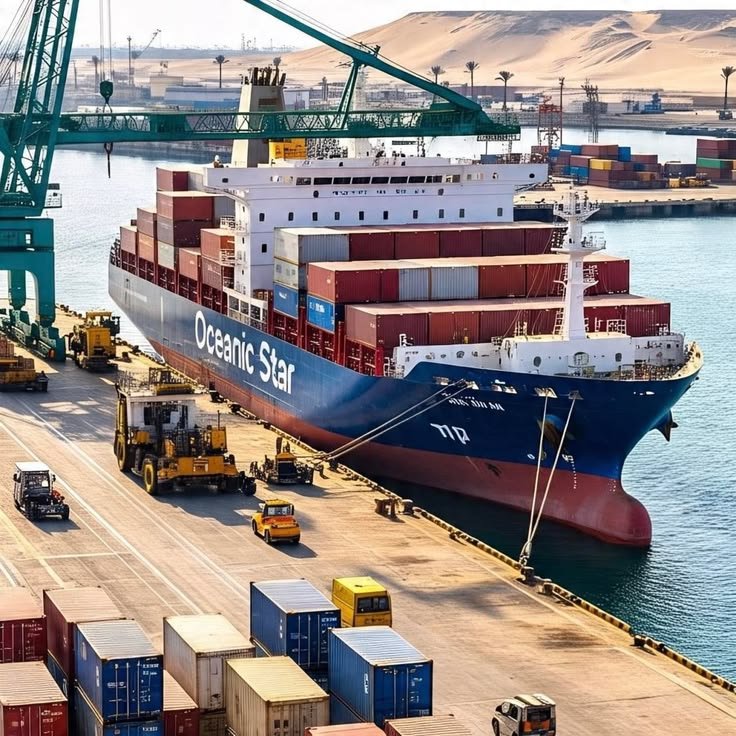
Infrastructure development across the Gulf Cooperation Council (GCC), East Africa, and the Indian subcontinent continues to fuel heavy demand for dry bulk construction materials. Managing bulk cargo logistics efficiently has become a decisive factor for industrial exporters seeking to safeguard project timelines and minimize demurrage risks. Central to this regional trade is clinker—the limestone-derived precursor to Portland cement.
With vast mineral reserves and modern deep-sea export terminals, the Sultanate of Oman has positioned itself as a premier exporter of high-grade clinker, limestone, and gypsum. However, moving hundreds of thousands of metric tons of dry minerals requires specialized shipping, chartering, and stevedoring expertise. Effective bulk cargo logistics bridges the gap between mineral quarrying and maritime sea delivery.
What Drives Bulk Cargo Logistics in the GCC Region?
Unlike containerized freight, dry bulk commodities present demanding material-handling challenges. High-volume industrial distribution requires synchronized shore-to-ship coordination to keep vessels turning around smoothly at berth:
- Environmental & Dust Mitigation: Clinker handling demands adherence to strict environmental guidelines at ports like Sohar and Duqm, utilizing modern conveyor water-mist systems to suppress airborne particles.
- Moisture and Contamination Control: Pre-loading hatch cover inspections and hold dryness surveys ensure materials avoid moisture damage and caking during maritime transport.
- High-Rate Stevedoring: Deploying high-capacity mobile harbor cranes, grab attachments, and synchronized tipping trucks minimizes vessel dwell time.
- Vessel Suitability & Chartering: Matching cargo tonnages to appropriate dry bulk carriers—such as Handysize, Supramax, or Ultramax vessels—or deploying specialized barges and tugs for coastal GCC routes.
5 Best Strategies to Optimize Bulk Cargo Logistics for Clinker
To maintain smooth shipping schedules and mitigate freight cost volatility, leading commodity traders implement five core practices:
1. Synchronized Quarry-to-Quay Transportation
Bulk mineral supply chains depend on an uninterrupted flow of heavy tipper trucks moving cargo from inland quarries directly to port stockyards or shipside conveyors.
2. Strategic Port Selection Across Oman
Different industrial ports offer distinct advantages for dry bulk operations:
- Port of Sohar: Ideal for heavy industrial export corridors serving the northern GCC via road and short-sea shipping.
- Port of Duqm: Boasting deep-water berths, Duqm provides unrestricted draft access for large Supramax and Ultramax bulk carriers without tidal waiting delays.
- Port of Salalah: Positioned directly along primary Indian Ocean routes, enabling rapid access to major import markets in East Africa and South Asia.
3. Integrated Cargo Supervision and Draft Surveys
Independent draft surveys, hatch inspections, and moisture testing before loading prevent cargo disputes and verify accurate bill-of-lading figures.
4. Direct Compliance with IMO Solid Bulk Codes
Marine bulk operators follow the International Maritime Organization (IMO) International Maritime Solid Bulk Cargoes (IMSBC) Code to guarantee proper cargo trimming, angle-of-repose checks, and structural hold stability throughout the voyage.
5. Consolidating Supply and Agency Under One Partner
Managing separate suppliers, hauliers, stevedores, and shipping agents often leads to operational miscommunication. Contracting a partner that manages both mineral sourcing and port agency eliminates interface delays and reduces administrative overhead.
Common Challenges in Managing Regional Bulk Cargo Logistics
Operating heavy bulk trade lanes requires constant readiness for operational disruptions:
- Berth Congestion and Demurrage: Delays in crane availability or berth allocation can result in costly charter penalties. Experienced port agency partners maintain close contact with harbor masters to ensure priority line-up.
- Seasonal Sea Conditions: Monsoon seasons in the Arabian Sea can create severe ocean swells. Careful calculation of vessel draft and stowage distribution ensures seaworthiness during severe weather.
- Customs and Export Licensing: Exporting raw minerals demands rigorous compliance with Ministry of Energy and Minerals documentation, certificates of origin, and phytosanitary clearance.
Partner with Integrity Marine for Clinker and Bulk Cargo Logistics
Integrity Marine combines raw material trading with full-service maritime operations. Through our specialized marine and chartering services, we provide:
- High-grade clinker and cement supply tailored to project specifications.
- Complete stevedoring and cargo handling supervision at major Omani ports.
- Voyage charters, barges, tugboats, and landing crafts for coastal and regional distribution.
- Complete customs brokerage and export documentation.
Contact our operations desk at operations@integritymarineglobal.com or call our 24/7 hotline at +968 96680576 to manage your next bulk shipment.